Minds in Motion – Phase 2
Minds in Motion – Phase 2
Understanding the Lives of Sex Workers in Sri Lanka: Lived Experiences, Legal Context, and Health Perspectives
Disclaimer: It was neither to promote nor to degrade sex work, but rather to acknowledge the existence of a community in urgent need of essential services such as healthcare and education—delivered without discrimination.
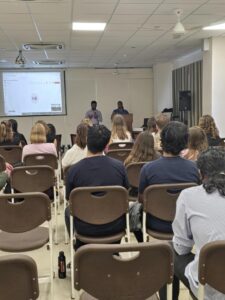
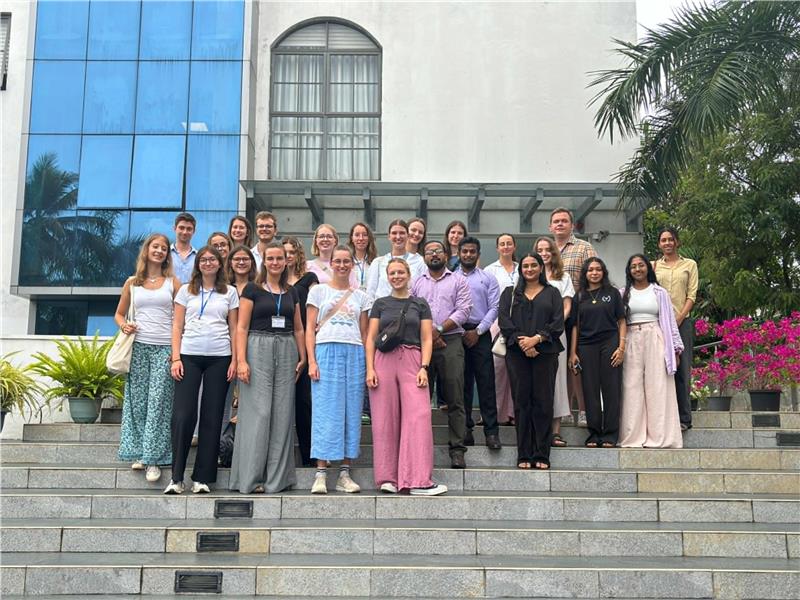
On 18th September 2025, the Royal Institute Campus hosted the first project under the second phase of the Minds in Motion outreach initiative. The session brought together an extraordinary mix of participants – foreign medical undergraduates from five German universities, RIC students from Psychology, Economics, Management, Finance and Social Sciences, and Law, sex worker/ advocates, and two highly experienced professional facilitators:
- Poojani Galapaththi – Attorney-at-Law & Country Coordinator for SWASA
- Dinushi Hallouwa – Programme Manager, DAST
The workshop was held at the RIC premises.
Exploring the Legal Context
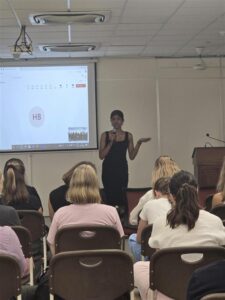
The day began with an interactive discussion led by Ms. Poojani Galapaththi, who focused on the legal frameworks surrounding sex work in Sri Lanka. She examined laws related to vagrancy and brothels, guiding participants—including law undergraduates—to critically evaluate whether sex work should be decriminalised or legalised.
Through a thought-provoking exchange, Ms. Galapaththi highlighted a key distinction:
- Legalisation would place sex workers under strict government regulations, potentially allowing authorities to control how they carry out their work.
- Decriminalisation, on the other hand, would remove punitive laws against sex work, granting sex workers greater dignity, rights, and freedom from harassment.
Voices of Experience
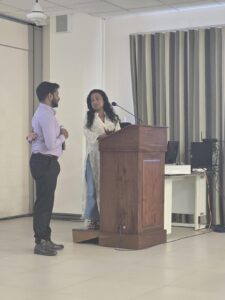
The heart of the session came when sex worker advocates courageously shared their lived experiences. Speaking in Sinhala, their stories were translated into English by Mr. Janindu, ensuring that the German medical students, as well as RIC students from diverse disciplines, could fully engage with the narratives.
A recurring theme in their accounts was that, despite ongoing challenges, conditions for sex workers today are significantly better compared to what they endured in the past, particularly in relation to exploitation and treatment by certain authorities.
This exchange created a powerful moment of empathy and cross-cultural learning, enabling future medical professionals and RIC undergraduates in psychology, economics, management, finance, and law to better understand the social, emotional, and health-related dimensions of sex work.
Health and Support Initiatives
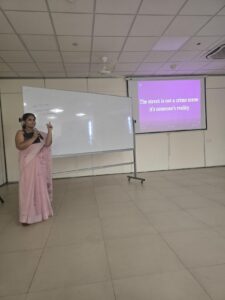
The final segment was led by Ms. Dinushi Hallouwa, who outlined the ongoing work of DAST and TET. She described community-based initiatives designed to support sex workers, ranging from healthcare and counseling services to advocacy for legal reforms.
Her presentation emphasized the holistic nature of support—not only addressing immediate medical needs but also working toward systemic changes that ensure dignity, rights, and long-term wellbeing for sex workers.
The conclusion was clear: evidence-based practices and sharing lived experiences are the key to providing better services, adopting theory into productive practice. This means acknowledging the diverse nature of human beliefs and experiences, without promoting or opposing sex work or any personal convictions. Instead, the focus lies in understanding, respecting, and creating space for safe practices and improved quality of life.
As the first project under Minds in Motion – Phase 2, this workshop was a powerful reminder of how education, advocacy, and dialogue can dismantle stigma and foster understanding. By connecting international medical students with RIC undergraduates across Psychology, EMFSS, and Law, alongside Sri Lankan advocates and legal experts, the event created a platform for meaningful conversations that bridged cultures and professions. The workshop highlighted the evidence and realities of the current world, helping to debunk stigma and misconceptions while amplifying the voices of sex workers. It also showcased the collaborative efforts of organizations like SWASA, DAST, and TET.