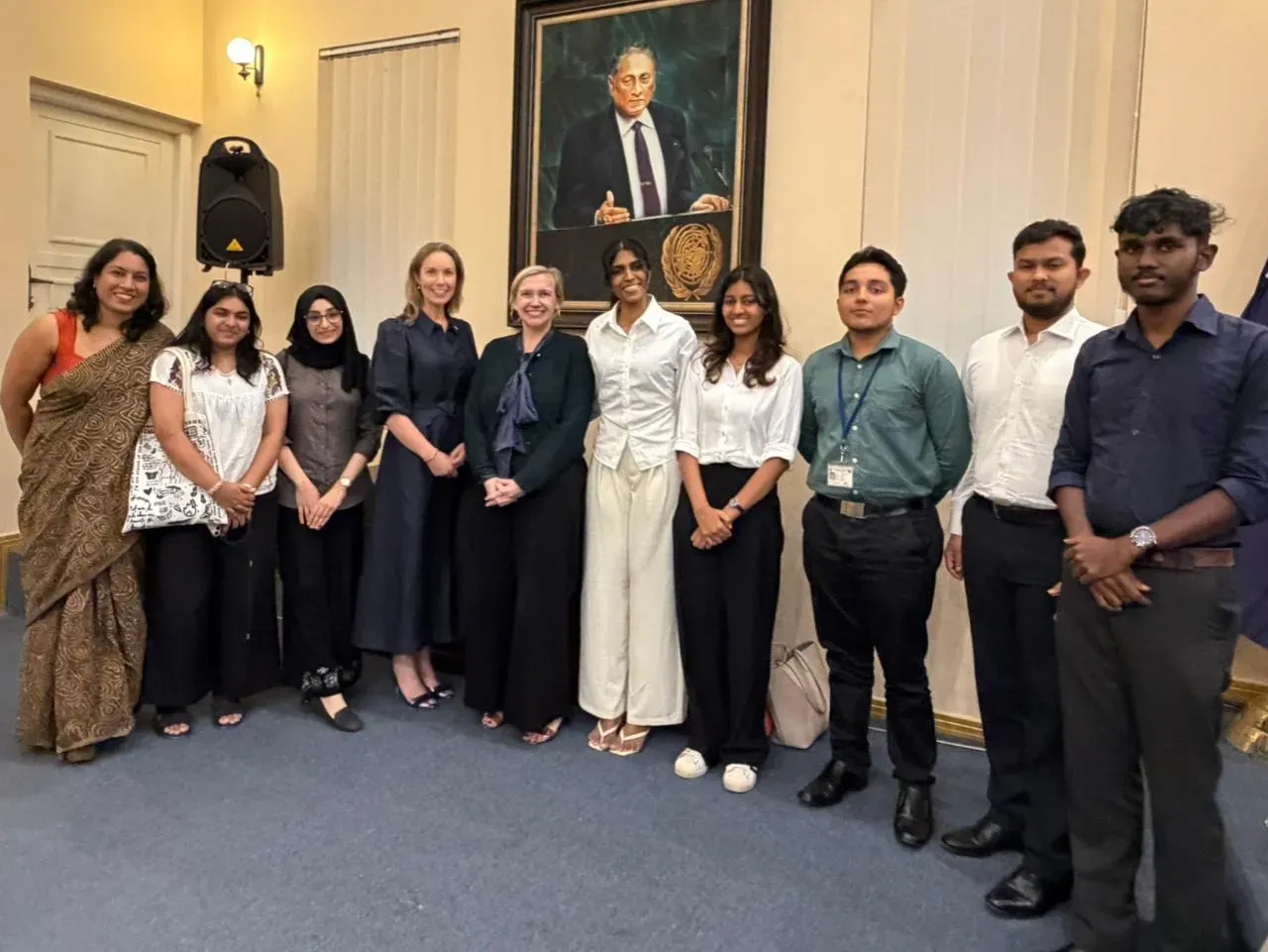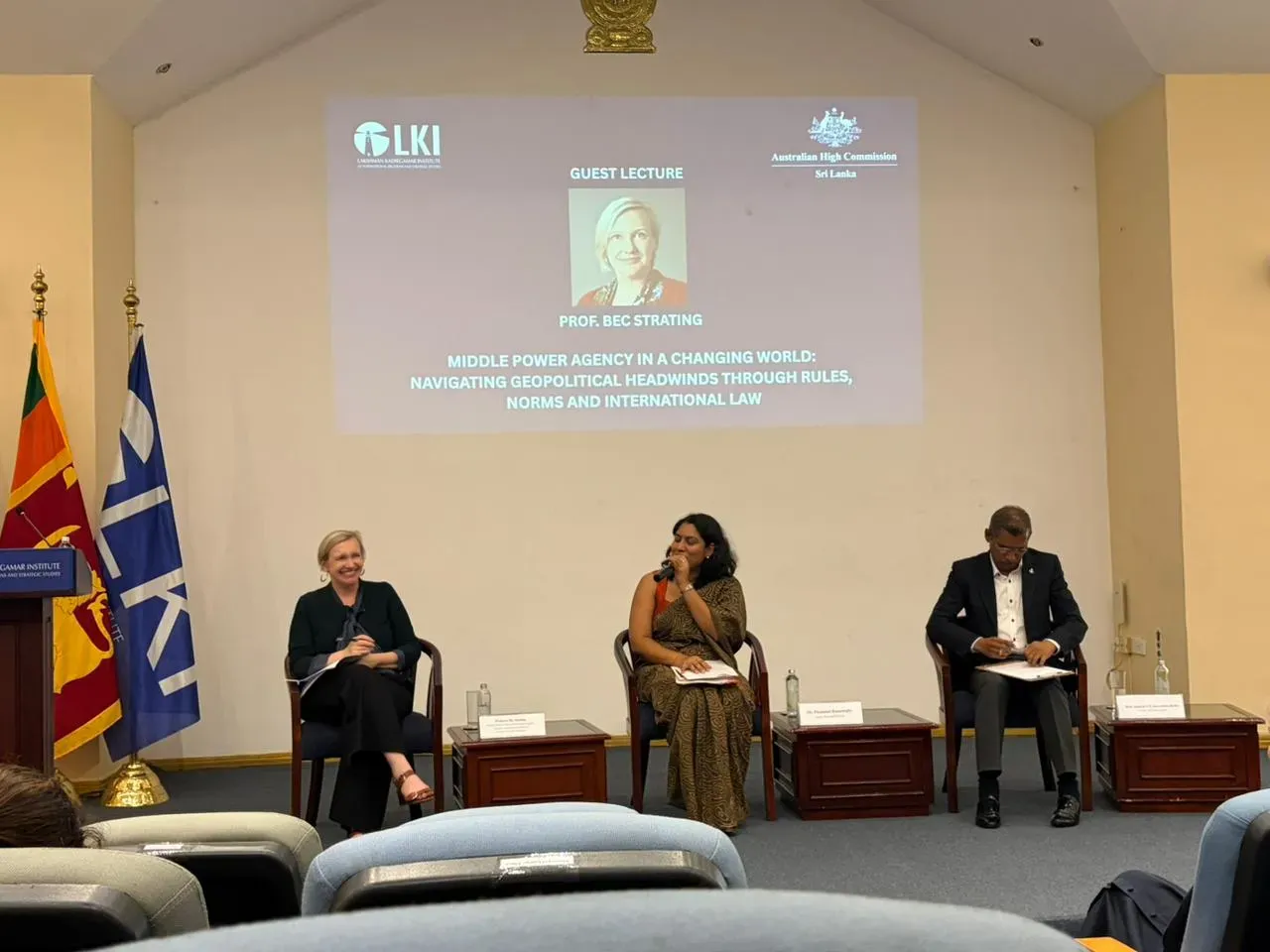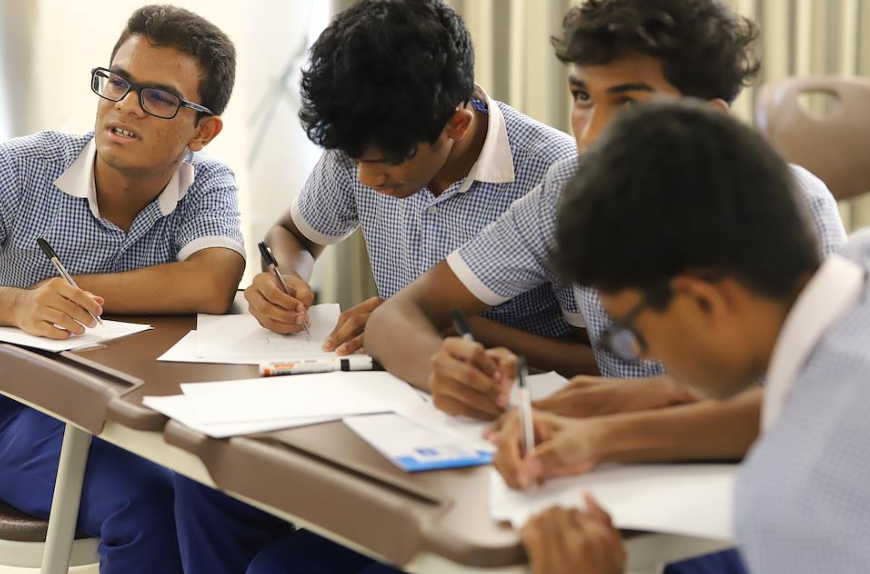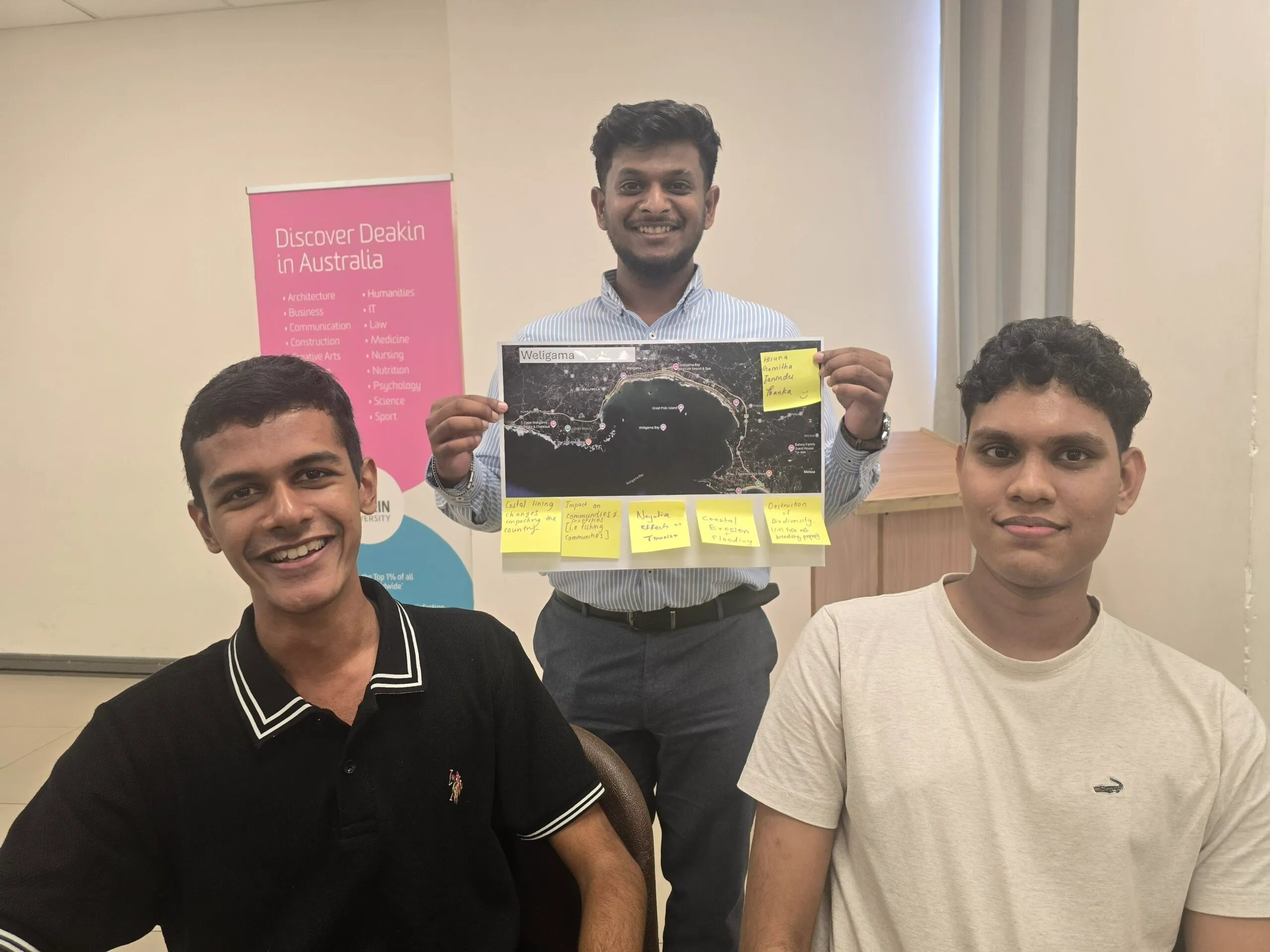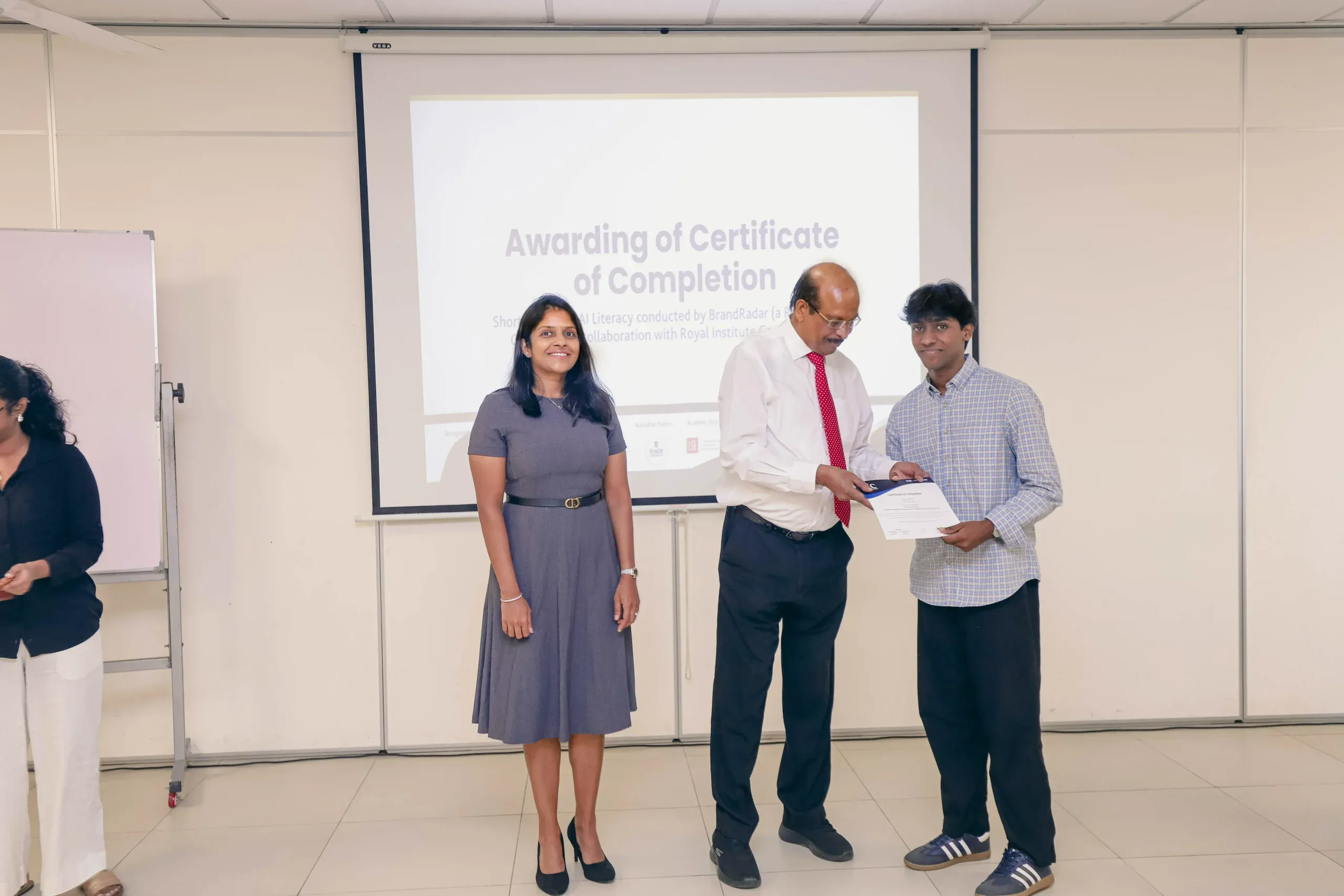
Students from the University of London International Relations programme at Royal Institute Campus (RIC), together with representatives from the Agora Society of RIC, recently attended the guest lecture “Middle Power Agency in a Changing World: Navigating Geopolitical Headwinds through Rules, Norms, and International Law”, delivered by Professor Bec Strating, Director of the La Trobe Centre for Global Security and Professor of International Relations at La Trobe University.
The event was organized by the Lakshman Kadirgamar Institute (LKI) in collaboration with the Australian High Commission in Sri Lanka, bringing together students, academics, policymakers, and practitioners with an interest in international affairs and security studies. The session was moderated by one of RIC’s own alumni and Lecturer, Ms. Piyumani Ranasinghe.
The lecture explored the concept of middle power agency and examined how states can exercise influence in international affairs without necessarily possessing significant military or economic power. Professor Strating discussed the distinction between small powers and middle powers, highlighting how diplomacy, coalition-building, multilateral engagement, and adherence to international law can allow states to play meaningful roles in regional and global governance. The discussion also encouraged participants to reflect on how states define and project their identity within the international system and whether middle-power status is actively pursued or emerges through consistent strategic engagement.
A key focus of the session was the evolving geopolitical landscape of the Indo-Pacific region. Professor Strating emphasized the importance of rules-based international order, international norms, and diplomacy in navigating contemporary geopolitical challenges. Students gained valuable insights into how middle powers can maintain influence while balancing relationships with larger global actors.
The lecture was followed by a panel discussion featuring Professor Strating and Admiral (Retd.) Y.N. Jayarathna, providing both academic and practical perspectives on regional security challenges.
Particularly engaging were the discussions on maritime security, including the continuing relevance of the United Nations Convention on the Law of the Sea (UNCLOS), disputes surrounding the South China Sea and the Nine-Dash Line, and the growing tensions between China and several Southeast Asian states. The speakers highlighted how strategic competition increasingly extends beyond traditional military domains into civilian and maritime spaces, with grey-zone tactics becoming an important feature of contemporary international relations.
The panel also examined Sri Lanka’s position within the broader geopolitical dynamics of the Indian Ocean region. Discussions explored Sri Lanka’s relationships with China and India, including reflections on the development of the Hambantota Port and its connection to broader regional initiatives such as China’s Belt and Road Initiative (BRI). Students were encouraged to move beyond simplistic geopolitical narratives and consider the historical, economic, and strategic factors that shape Sri Lanka’s foreign relations.
As a strategically located Indian Ocean state, Sri Lanka faces the challenge of maintaining constructive relationships with multiple major powers while preserving national sovereignty and agency. The discussion highlighted the delicate balance required to secure economic opportunities, strengthen regional partnerships, and safeguard national interests in an increasingly contested geopolitical environment.
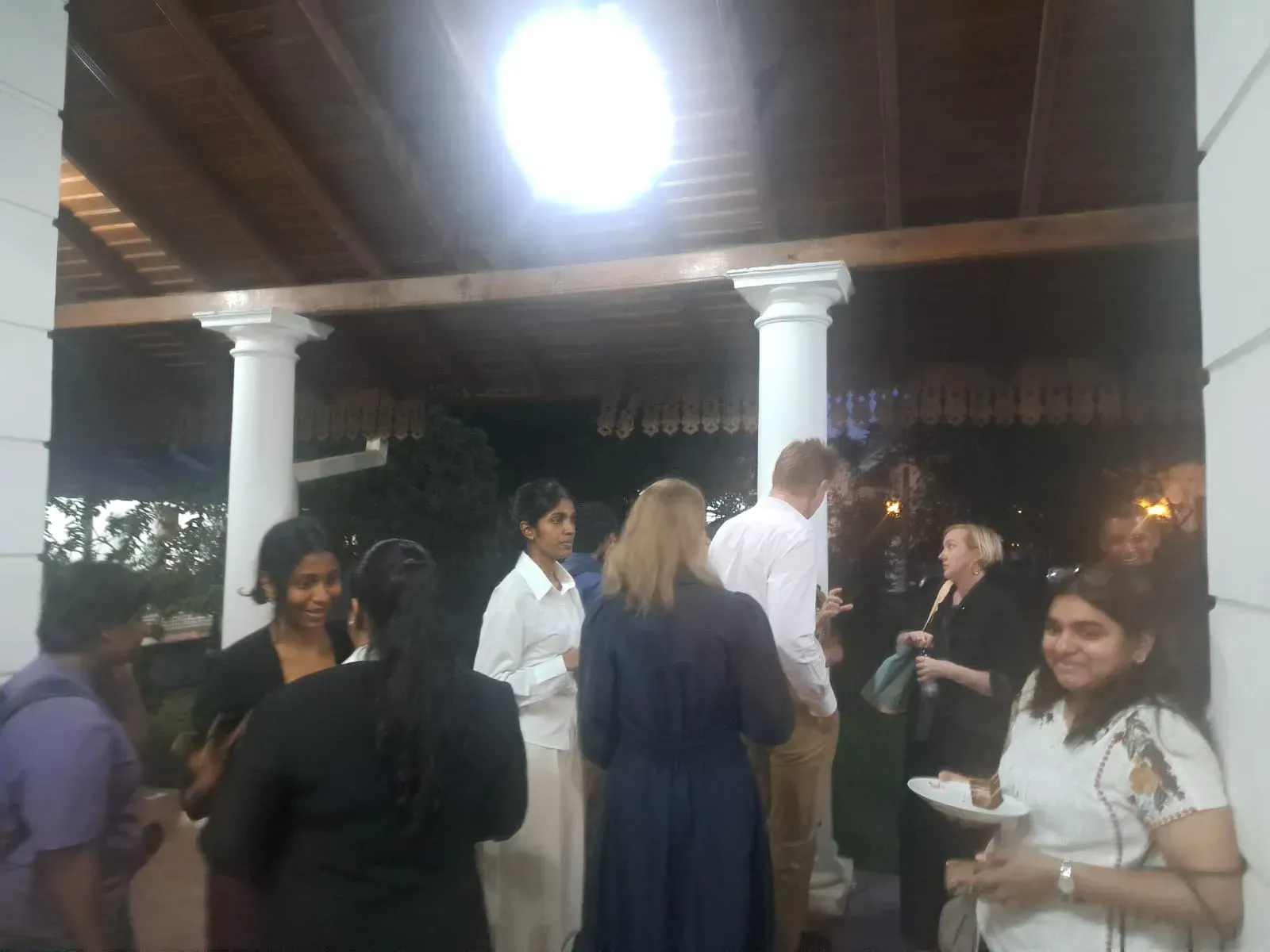
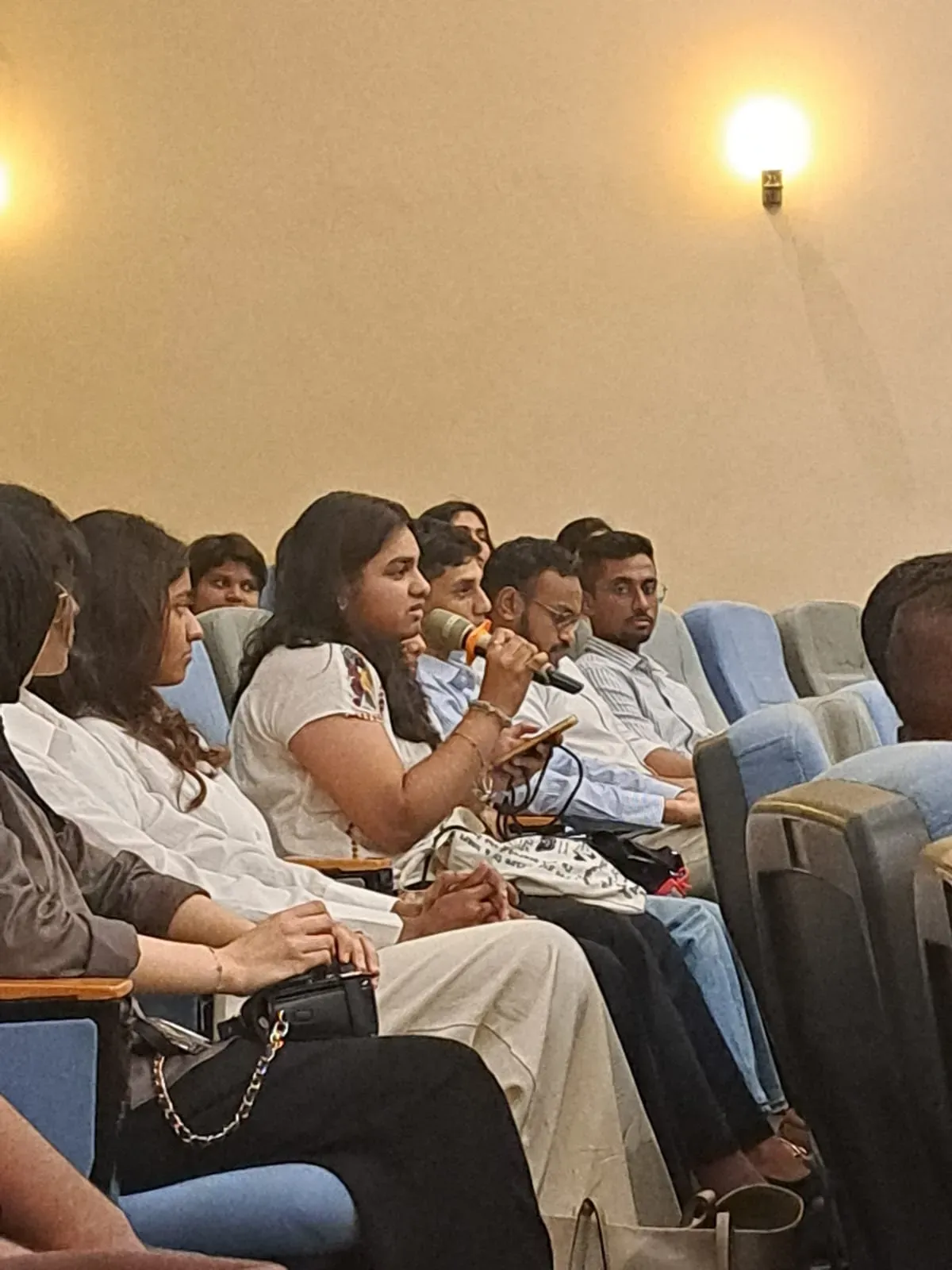
Beyond the lecture itself, students actively engaged in discussions and networking opportunities with Professor Strating, representatives from the Australian High Commission, and academics working in the fields of International Relations and Security Studies. Their professionalism, curiosity, and enthusiasm ensured that RIC was exceptionally well represented throughout the event.
The lecture provided students with valuable exposure to contemporary debates in international relations and encouraged critical reflection on diplomacy, international law, regional security, and Sri Lanka’s evolving role within the Indo-Pacific. Events such as these continue to enhance the academic experience of RIC students by connecting classroom learning with real-world global developments and leading international experts.