Turning Knowledge into Action – The Power of Experiential Learning
By: Ronali Fonseka
BSc ( Hons ) Psychology – Final Year Student
 When I enrolled in the University of London’s BSc Psychology program at Royal Institute Campus, I expected the program to consist of a series of lectures, notes, and examinations. However, from the very first semester, it became clear that the lecturers and coordinators emphasized the importance of pursuing a practical approach beyond our textbooks. Our course material consistently extended into real settings such as clinics, community centres, and correctional facilities, so that every concept we read about was paired with a concrete example we could see and question for ourselves.
First Practical Experience: Designing Community Interventions
One of our first visits was part of a module called Applications of Psychology, for which we were assigned to design an intervention for a specific community. My cohort was given the opportunity to visit a village not far from Colombo and assess what information would be needed before planning an intervention. We first learned what to evaluate: people’s needs, the available resources, their daily routines, and the local norms. We also discussed how to measure the effectiveness of a plan; for example, by observing participation, gathering feedback, or tracking changes in behaviour over time. This simple visit gave us the confidence and direction to design an effective intervention, not only for this module, but also for future events organized by the program and in the field.
Minds in Motion: Connecting Theory to Practice
Later, the BSc Psychology program launched its flagship initiative, “Minds in Motion.” Students from the foundation year through the third year participated in six visits and workshops, each focused on a different population in Sri Lanka.
Visit to a Drug Rehabilitation Centre
The opening visit was to a drug rehabilitation centre in Unawatuna, where we had the opportunity to speak with residents and understand the underlying causes of their substance use, as well as the centre’s current strategies for supporting recovery. Many residents attributed their substance use to peer influence, family patterns, and media portrayals that normalized drug use; an example of Social Learning Theory, proposed by psychologist Albert Bandura. The staff addressed these issues by focusing on three universal needs as noted in psychology: enhancing the residents’ sense of autonomy, helping them develop a sense of competence, and creating spaces where they could experience connectedness within the centre.
Visit to a Safe House for Survivors of Sexual Violence
We were able to see a similar approach in another visit under the program to a safe house for girls who had survived sexual violence and were now seeking asylum. The staff created steady routines: shared meals, language lessons, and quiet times for prayer to give each day structure. The girls were invited to choose small responsibilities such as organising craft sessions or helping with chores, which helped them regain a sense of control. Classes in English and Sinhala boosted their confidence, while community celebrations marked birthdays and holidays so no one felt forgotten. Seeing how choice, skill-building, and belonging were woven into daily life showed me that even in the most difficult circumstances, recovery begins when basic needs for safety, autonomy, and connection are met, and how lasting change is more likely to result from encouragement and empowerment than from shame or coercion.
Visit to the National Institute of Mental Health
To break down the stigma around psychiatric care and the limited knowledge we had on Sri Lanka’s mental health facilities, another visit the program organized was to Sri Lanka’s National Institute of Mental Health. We observed the integration of many structured therapeutic programs, including music therapy, occupational workshops, and horticultural activities, into patients’ treatment plans. Through our conversations with patients, we came to understand their genuine appreciation for the professionalism and dedication of the clinical staff supporting their recovery.
Workshops on Marginalized Groups: Sex Workers and Transgender Community
Yet the impression that mental health care is readily available to anyone who seeks it was quickly complicated by two subsequent workshops that examined access for marginalized groups. In sessions with female sex workers and, separately, with members of the transgender community, the representatives described the bureaucratic hurdles, social ridicule, and outright discrimination that routinely impede their attempts to obtain psychological support. These first-hand accounts, though at times difficult to hear, also highlighted the resilience and peer support present within the community. As aspiring psychologists, we were confronted with the diverse range of circumstances we are likely to encounter in professional practice, along with the ethical responsibility to develop interventions that are both contextually appropriate and genuinely inclusive; an obligation that now feels more immediate and concrete.
Visit to Pallakelle Open Prison: Rehabilitation through the Good Lives Model
Our final and perhaps most unexpected visit was to the Pallakelle open prison operating under the Good Lives Model; a strengths-based approach that encourages offenders to build personally meaningful and socially constructive life goals. The workshops we observed focused on helping inmates develop employment skills aligned with their interests, such as carpentry, sewing, and culinary arts. Listening to the inmates describe their experience in the prison, reflected the model’s central idea: individuals are less likely to reoffend when they have something to lose and the skills to protect it. This experience deepened my understanding of rehabilitation; not as the mere absence of crime, but as the presence of a life that feels worth living.
Professional Practice: Internships and Case Reflections
While Minds in Motion connected theory to community engagement, the second academic year extended that connection into professional practice. Each student completed a three to six month internship in settings such as psychiatric wards, special needs schools, or psychological clinics, where we were given the opportunity to observe diagnostic and treatment processes and participate in case discussions. Writing structured case summaries required us to connect classroom concepts to real clinical decisions and critically reflect on our observations in relation to established practice. Most importantly, we learned that meaningful change occurs when theory is applied to real life contexts.
Conclusion: The True Value of Experiential Learning
As we complete the BSc Psychology program at Royal Institute Campus, we leave with more than a degree. We take with us a subject we have experienced in practice, a set of skills we can apply, and a strong commitment to making psychological support both effective and equitable. To me, this is the true value of learning through experience, and why I would choose this path again without hesitation.
***************************************************************************
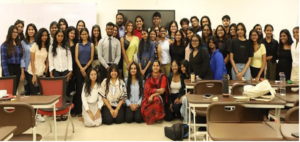
RIC psychology students at the workshop conducted by RIC in collaboration with the National Transgender Network
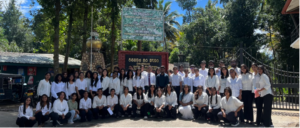
RIC psychology students at the Pallakelle Open prison